We've built an expensive machine that generates leads we can't digest.
Companies invest thousands—sometimes millions—in lead generation. They attend conferences, run digital campaigns, hire SDR teams, and watch the pipeline numbers climb. Everyone celebrates when the dashboard shows 500 new leads this month.
But then what?
The Uncomfortable Truth About Lead Waste
Here's the reality most organizations refuse to examine: we're throwing money into a funnel that leaks more than it retains.
A prospect books a discovery call. You show up. They mention a smaller budget than you hoped for, or interest in just one service instead of your full suite. And suddenly? The energy drains from the conversation. The follow-up email becomes generic. The lead gets marked "not qualified" and joins the thousands of others we've discarded.
We wanted the big deal. We needed the enterprise contract. So we move on to the next lead, hoping that one will be different.
But here's what we're forgetting: big money comes from small steps.
The "Get In, Then Expand" Strategy We've Abandoned
Landing a small project isn't a consolation prize—it's a doorway. That modest engagement gives you credibility, builds trust, and positions you for expansion when their needs grow or budgets refresh.
Yet we don't have patience for doorways. We need to hit quarterly targets. We need big wins now.
So we keep feeding the lead generation machine, burning through budget to find "better" prospects, while perfectly viable relationships rot in our CRM.
The Capacity Question Nobody Asks
Before you launch another campaign or attend another trade show, ask yourself one critical question:
Can we actually manage what we already have?
Not manufacturing capacity. Not service delivery capacity. I'm talking about the capacity to nurture leads before they become customers—the pre-sales ecosystem that turns interest into commitment.
- Do you have enough people to follow up thoughtfully?
- Can your team handle discovery calls without rushing to disqualify?
- Is there bandwidth for the patient relationship-building that converts hesitant prospects?
If the answer is no, then why are you collecting more leads than you can properly handle?
Rethinking Marketing Strategy by Product Type
The optimal approach isn't one-size-fits-all:
For niche B2B products with focused audiences: Networking and relationship-based marketing win. Your total addressable market might be 500 companies. You don't need 10,000 leads—you need deep relationships with the right 50.
For general consumer products: Mass advertising and broad awareness campaigns make sense. Volume matters. The conversion math is different.
Most companies confuse these strategies. They apply mass-market tactics to niche markets, or try to build enterprise software through relationship marketing alone.
Building the Complete Cycle First
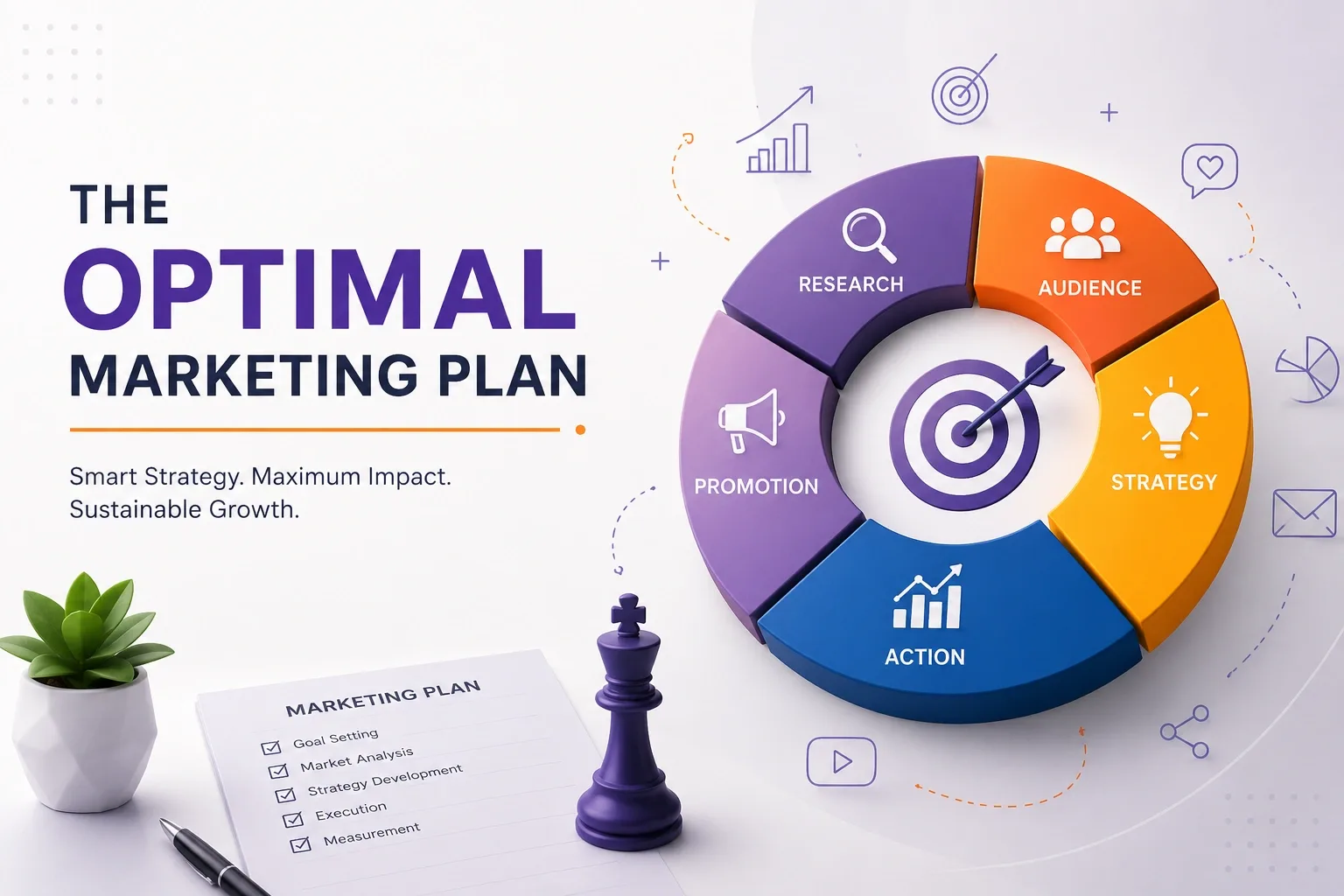
Here's what the optimal marketing plan actually looks like:
1. Define your appetite How many leads can you meaningfully engage with this quarter? Be honest.
2. Assess your capacity Not just sales capacity—the entire pre-sales cycle. Marketing, SDRs, AEs, solution engineers, customer success in pilot mode.
3. Build the complete team Before you scale lead generation, ensure you have the ecosystem to convert what you capture.
4. Then—and only then—go to market Match your lead generation investment to your digestion capacity.
The Case for Optimal Over Maximal
In today's tight, volatile market, optimal marketing beats maximal marketing.
Optimal means: generating the right volume of leads that your organization can convert effectively. It means measuring cost-per-converted-customer, not just cost-per-lead. It means having the discipline to nurture a $10K opportunity today that becomes $100K next year.
The companies winning right now aren't the ones with the biggest lead lists. They're the ones who've mastered the full cycle—from first touch to closed deal to expansion.
Stop measuring success by how many leads you generate. Start measuring it by how many relationships you convert.
What's your experience? Are you drowning in leads you can't convert, or have you found the right balance? Let's discuss in the comments.
Thanks
Chandra S Joshi
Fractional CMO
Need a Marketing Strategy?
A short conversation is usually enough to know whether a Strategy Sprint, a Go-to-Market plan, or ongoing Fractional CMO Advisory is the right starting point.
Book a Conversation →